Home › Tuckpointing and Repointing
Our tuckpointing specialists in Norfolk, VA restore crumbling mortar joints to protect your brick walls from water damage. We carefully remove loose mortar, color match new joints, and tool them for a consistent finish. From chimneys to full facades, our repointing work extends the life and appearance of your masonry.
Superior Masonry Norfolk provides professional tuckpointing throughout Norfolk, VA, Virginia and the surrounding area. Our licensed, insured crew delivers safe, clean, on-time work with a free estimate before anything begins. Call (757) 448-3225 or request your free quote.
Tuckpointing in Norfolk, VA: What It Really Does for Your Brickwork
If you live in Norfolk, you already know what our weather does to brick. Salt air from the Elizabeth River, repeated freeze-thaw cycles in winter, and humid summers all work their way into the mortar joints. Over time, that mortar loosens, cracks, or falls out completely. That is where professional tuckpointing from Superior Masonry Norfolk comes in.
Tuckpointing and repointing are about repairing the joints between your bricks, not the bricks themselves. When mortar fails, water gets inside the wall, then you start to see issues like efflorescence (white staining), hairline cracks inside the house, damp basements, or even bricks starting to bulge or shift. Our goal is to stop that water before it reaches the interior.
At Superior Masonry Norfolk, we start by assessing the entire masonry area, not just the spots that look the worst. Often the joints that seem fine from the ground are already deteriorating deeper in the wall. We check the exposure to wind-driven rain, proximity to salt spray, how much sun the wall gets, and any past repair attempts. All of this helps us choose the right mortar type and technique so you do not end up with a patchwork that looks obvious or causes damage later.
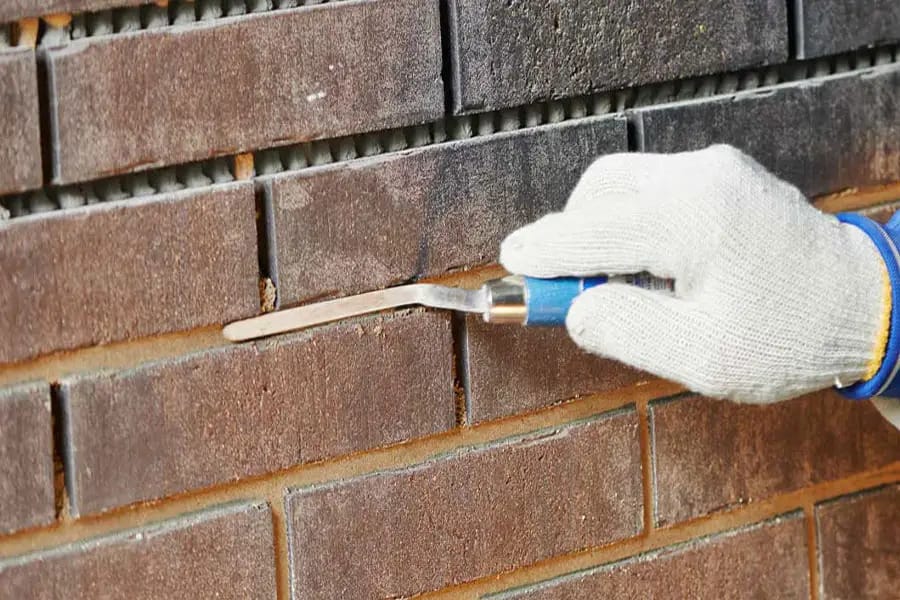
When we say tuckpointing, we are talking about carefully removing loose or failing mortar and installing new mortar that bonds strongly, sheds water properly, and matches your existing brickwork in color, texture, and joint profile. Done correctly, it tightens up the wall, extends the life of the brick by decades, and improves curb appeal for historic and newer properties alike.
Our Step-by-Step Tuckpointing & Repointing Process
Customers often ask what actually happens during tuckpointing. Here is how a typical job with Superior Masonry Norfolk unfolds, step by step, whether it is a Ghent rowhouse, a Colonial Place chimney, or a brick foundation in Bayview.
1. Inspection and testing: We inspect every accessible side of the masonry and test the existing mortar. On older Norfolk homes we often see softer lime-based mortar, while newer construction usually has harder Portland-based mortar. We may do a simple scratch test and sometimes a small sample for color and sand analysis so the new mix behaves like the original.
2. Protecting your property: We cover landscaping, decks, entryways, and windows with breathable tarps and plastic. Ladders or scaffolding are set up to reach high areas, such as chimneys and second-story walls, while keeping driveways and walkways usable whenever possible.
3. Removing failed mortar: Using grinders with dust control or hand chisels in sensitive or historic areas, we remove deteriorated mortar to a proper depth, typically 2 to 3 times the width of the joint. Shallow scraping is a shortcut some contractors take, but it rarely lasts more than a few seasons, especially in Norfolk’s wet climate. We avoid damaging the brick edges, since chipped arrises are a common problem after careless grinder work.
4. Cleaning the joints: After raking out the joints, we brush and blow out dust and debris, then lightly rinse if needed. Clean, slightly damp joints help the new mortar bond better and cure slowly, which is crucial in hot Virginia summers.
5. Mixing the right mortar: We match your original mortar in strength, color, and texture. On historic homes near the Freemason District or along Colley Avenue, this often means a softer lime-rich mortar that moves with the older brick instead of cracking it. For more modern brickwork, we select an appropriate Portland cement blend that can handle heavier loads and exposure.
6. Packing and tooling the joints: Fresh mortar is pushed deep into the joint in thin layers, compacted firmly so there are no air pockets. Once it sets to the right stiffness, we tool the joints to match the existing profile (concave, flush, or struck). This step is both structural and cosmetic, since proper tooling helps water run off the wall instead of sitting in tiny ledges.
7. Final cleanup: After the mortar has started to cure, we clean the brick faces carefully so there is no film or staining. We remove coverings, rinse down hard surfaces, and walk the property with you to confirm that the repair looks natural and consistent across the entire wall or chimney.
Material Choices, Color Matching, and Finish Options
One thing that sets Superior Masonry Norfolk apart is our focus on matching, not just patching. A good tuckpointing job should blend in so well that most people will not notice it was repaired at all.
Mortar strength: The biggest technical decision is matching the strength and flexibility of the original mortar. Using a mortar that is too hard on older Norfolk brick can cause the bricks themselves to crack or spall when the wall moves with temperature changes. We pay close attention to the age of your home, whether it is a pre-war bungalow in Riverview or a 1990s home in East Beach, and adjust our mortar design accordingly.
Color and sand: We custom blend mortars to match the existing joint color. That may mean adding specific sands or pigments to achieve the aged tone around your house. We compare test samples against your wall in natural daylight, not just indoors or under shop lighting, so the new joints will look right when the sun hits them.
Joint style: Norfolk homes show a surprising variety of joint profiles. Many mid-century homes use a concave joint because it sheds water very well, while some older facades have raked or flush joints that provide a flatter, more historic look. We shape the new joints to match what you already have unless you specifically ask for a different style for appearance or moisture control.
Sealants and coatings: In most cases, we do not recommend heavy sealers over brick and mortar in our climate, because they can trap moisture in the wall. Instead, we focus on properly filled and tooled joints that naturally repel water. For very exposed or coastal-facing walls, we may suggest a breathable, vapor-permeable treatment, and we explain the pros and cons before you commit.
Blending old and new work: If parts of your home were added later or previously repaired, the mortar may already be mismatched. We help you decide whether to spot repair only the failed joints, or strategically tuckpoint larger sections so the wall looks more consistent. This is especially important on front facades and chimney faces that are visible from the street.
Cost Factors and What Norfolk Homeowners Should Expect
Tuckpointing pricing can vary widely, and it helps to understand what drives the cost before you get quotes. At Superior Masonry Norfolk, we walk you through each factor so you know exactly why a job is priced the way it is.
Accessibility: A ground-level garden wall off Granby Street is far quicker to repair than a tall chimney above a steep roof in Larchmont. If we need scaffolding, roof brackets, or lift equipment, that adds time and cost. We always look for the safest and most efficient setup that still lets you use your property while work is underway.
Extent of damage: Light, early-stage deterioration means we can remove and replace mortar in a more limited area. If joints are missing completely, bricks are loose, or water has already caused interior damage, we may need to rebuild sections of the wall or chimney along with the tuckpointing. We show you photos of problem areas so you can see exactly what we see.
Brick condition: Sometimes the mortar has failed but the bricks are still sound. In other cases, especially on older waterfront homes that have seen decades of salt exposure, individual bricks may be spalling or crumbling. Replacing bricks is more labor intensive than simply repointing, but it is often necessary to ensure the repair lasts.
Timing and weather: Norfolk’s climate affects scheduling and curing times. During very hot or very cold stretches, we may need to plan shorter work days or use curing techniques like light misting or temporary coverings so the mortar sets correctly. That protects your investment and prevents premature cracking.
Permits and HOA requirements: For most residential tuckpointing, a city building permit is not required if we are only repairing mortar joints and not altering structural elements. However, if you live in a designated historic district or under a strict HOA, there may be review or approval steps for visible changes. We can provide written scopes, product information, and photos of our previous work to help you get approvals faster.
Why Choose Superior Masonry Norfolk for Tuckpointing and Repointing
Tuckpointing is one of those trades where experience really shows. Poorly done work may look fine for a year or two, then start cracking or falling out because the wrong mix or technique was used. At Superior Masonry Norfolk, we focus on long-term performance, not just a quick cosmetic fix.
Local experience: Our crews work almost exclusively in the Hampton Roads area, so we are familiar with Norfolk’s brick styles, from downtown historic rows to post-war ranch homes. We have seen what fails early and what holds up through nor’easters and hurricane seasons, and we bring that knowledge to every project.
Clear communication: Before we start, we explain exactly which sections we are tuckpointing, what mortar we will use, and how we will access the work areas. If unexpected issues appear, such as hidden rot behind a brick veneer or severely compromised chimney crowns, we show you the problem and present options instead of pushing for unnecessary work.
Respect for your property: We keep job sites as tidy as possible, which matters on tight Norfolk streets where neighbors are close by. We manage dust carefully, protect nearby siding and trim, and coordinate start times so we are not disrupting your routine more than necessary.
Practical advice: Sometimes homeowners call us for tuckpointing when what they really need is a small brick replacement, a chimney cap repair, or better drainage near the foundation. We are straightforward about that. If tuckpointing is not the right solution, we say so and explain why.
If you are seeing cracked joints, loose mortar, or water staining on your brick in Norfolk, VA, Superior Masonry Norfolk can inspect it and let you know whether targeted tuckpointing, broader repointing, or a different masonry repair is the best way to protect your home.