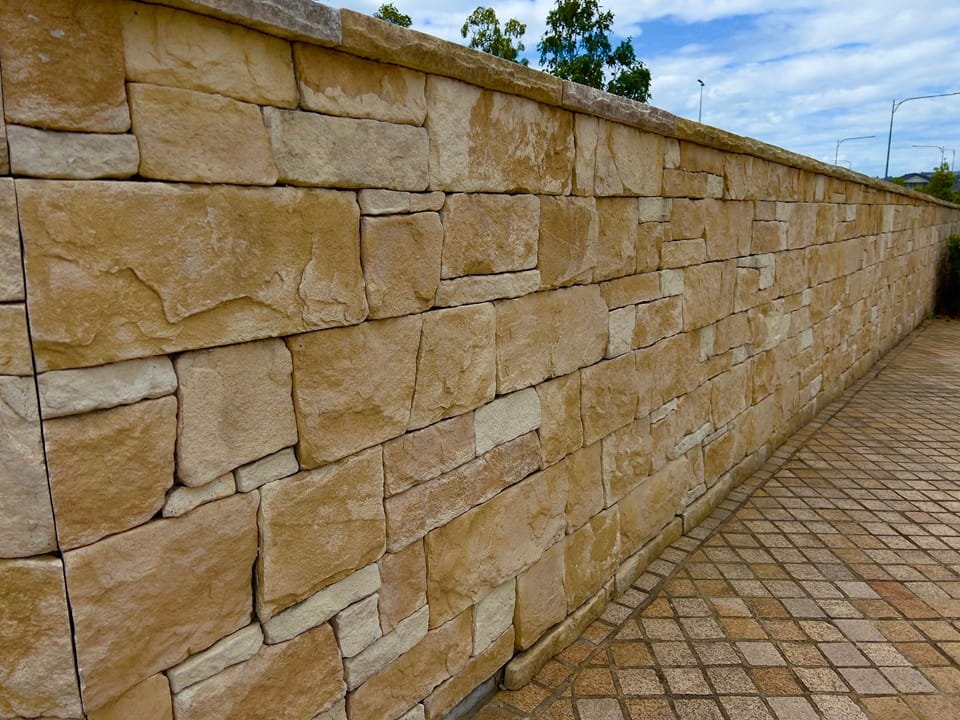
We provide high quality stone masonry in Norfolk, VA for patios, walkways, walls, and facades. Using natural stone and precise craftsmanship, we create features that feel permanent and timeless. Whether you want a rustic garden wall or a refined stone entry, our team delivers durable stonework that suits your property.
Superior Masonry Norfolk provides professional stone masonry throughout Norfolk, VA, Virginia and the surrounding area. Our licensed, insured crew delivers safe, clean, on-time work with a free estimate before anything begins. Call (757) 448-3225 or request your free quote.
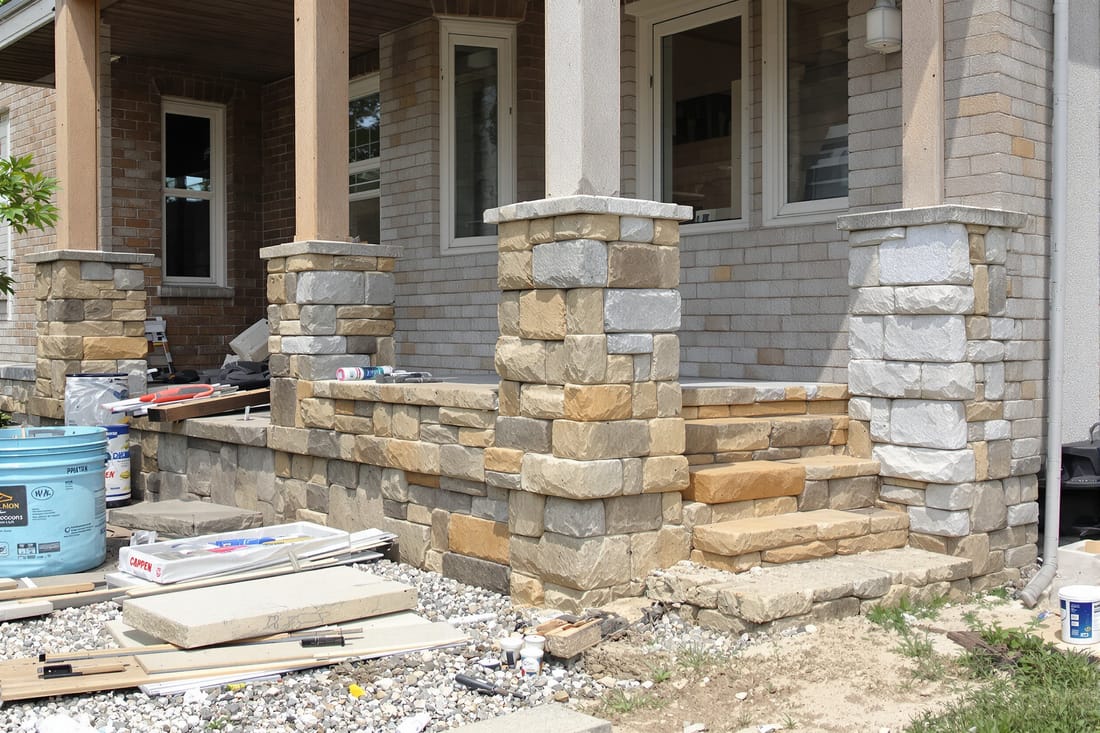
Stone Masonry for Norfolk Homes and Businesses
Stone masonry is a great fit for Norfolk, where older brick homes in Ghent, Colonial Place, and Larchmont often sit right beside newer construction near East Beach and suburban neighborhoods off Military Highway. At Superior Masonry Norfolk, we focus on stone work that respects the character of your property while standing up to our coastal weather.
Whether you want a stone front porch, a backyard patio, a new set of entry steps, or stone facing on a foundation wall, we plan each project around the way you actually use your space. For example, a tight alley in Ocean View needs a different layout than a wide yard in Kempsville. We look at drainage patterns, sun and shade, how close you are to the water, and where people and vehicles move on the property.
Our stone masonry services include new installation, repairs, and full rebuilds of deteriorated stone features. We work on residential homes, historic properties, multi-family buildings, and small commercial spaces throughout Norfolk and nearby communities. The goal is always the same: solid structure, correct materials for our climate, and a clean finish that looks like it belongs on your property, not like it was just dropped in from somewhere else.
How We Plan a Stone Masonry Project in Norfolk
Every stone job begins with an on-site visit. We walk the property, note any cracking or settlement in existing walls or slabs, and check how the soil behaves after heavy rain, which is a real factor in Norfolk with our high water table and occasional flooding. If we are tying into an older brick foundation or porch, we measure and photograph the details so the new stone work lines up cleanly and does not trap water.
We then talk design in practical terms. For a patio, we discuss how many people you normally host, whether you grill on it, and if you need room for furniture or a fire pit. For steps or entryways, we check local code on riser and tread sizes and discuss railings if needed. For stone veneers, we look at the existing structure and siding to confirm the walls can carry the added weight and that we can create a proper drainage plane behind the stone.
Before we start, we provide a clear written scope that explains what will be demolished, what will be saved, and how deep the new base or footing will be. In Norfolk, some areas have fill soil or very soft ground. In those cases, we may recommend a thicker gravel base or a reinforced concrete footing beneath stone walls or heavy features. This planning step is where many cheaper bids cut corners, and it is usually what decides whether your stonework will still be solid in 15 years.
Installation Steps for Lasting Stone Masonry
Real stonework is more than just stacking rocks or setting pavers. Superior Masonry Norfolk follows a step-by-step process that matches the specific type of project.
For patios and walkways, we start with excavation to a depth that allows for a compacted gravel base and any bedding layer needed for the chosen stone. In many Norfolk yards, we encounter clay pockets that hold water. We remove those soft spots or over-excavate and replace them with compacted aggregate so the finished surface does not heave or settle. We establish slope away from the home, usually a slight pitch, so rainwater runs off instead of pooling at your foundation.
For mortared stone walls, stoops, and steps, we usually pour a concrete footing designed for the height and thickness of the structure. The footing includes rebar where appropriate and is set below the frost line used in this region. Once cured, we lay stone with a masonry mortar that matches the structural needs and the appearance you want, adjusting joint thickness and tooling style to fit your home. We tie the stone into existing brick or block with metal ties or dowels so the new work moves with the old, instead of pulling away over time.
When installing stone veneer on a house or foundation, we prepare the substrate with a weather-resistant barrier, metal lath, and a scratch coat before setting the stone. This prevents trapped moisture, which is important in Norfolk's humid, salt-laden air. We leave proper weep paths and flashing so any water that gets behind the veneer can escape.
Stone Options, Patterns, and Local Design Choices
Norfolk properties benefit from stone choices that handle moisture and salt in the air. We commonly install dense natural stones like granite and certain types of sandstone and limestone that have proven themselves in our region. For more budget-conscious projects, we also work with manufactured stone veneer from brands that meet building standards and hold color well under strong sun.
For patios and walkways, popular options include flagstone laid in irregular patterns, cut stone in repeating rectangles, or thicker stone pavers set over a stabilized base. Around older brick homes in neighborhoods like Ghent, clients often prefer muted grays, browns, and blues that complement existing facades. In newer developments, we sometimes see more contrast and sharper lines, such as linear stone patterns paired with modern railings or lighting.
We can lay stone in random, ashlar, or coursed patterns depending on the look you prefer and the shape of the stones. For small spaces, tighter patterns with smaller joints can make the area feel more finished. For larger patios or retaining walls, larger stones and a bolder pattern offer better scale. During planning, we will show you sample boards and photos of previous Norfolk projects so you can see how certain stones weather over time in our climate.
What Affects the Cost of Stone Masonry in Norfolk
Several specific factors drive the cost of a stone masonry project in this area, and understanding them helps you compare quotes fairly.
Material selection is a major factor. Natural stone, especially thick pieces or premium colors, costs more than standard manufactured veneer or common fieldstone. Some stones also require more cutting and fitting time. Labor is the next big part of the price. Intricate patterns, tight curves, or projects with many steps and elevation changes require more skill and man-hours than a straightforward patio or straight wall.
Site conditions matter a lot in Norfolk. Difficult access through narrow side yards, steep slopes down toward a waterway, or the need for extra drainage measures can increase cost. Poor or saturated soil often requires extra excavation, more base material, or a deeper reinforced footing. If we have to remove old concrete, brick, or failing stonework before we rebuild, disposal fees and extra labor will be part of the price.
Finally, structural requirements influence cost. A short decorative garden wall is very different from a retaining wall holding back several feet of soil. Retaining walls must be built with proper footing, drainage stone, filter fabric, and weep holes, and sometimes engineered reinforcement. We explain these differences clearly so you can see where every dollar is going instead of just guessing why one bid is higher or lower than another.
Common Stone Masonry Problems We See Locally
Norfolk's mix of coastal weather, high groundwater, and older housing creates some recurring stone issues that we are used to solving.
The first is movement and settling. We see patios and walks that were laid on thin sand or straight on top of soil. After a few wet seasons, stones tilt, settle, or become trip hazards. Our repair approach usually involves lifting the stones, correcting the base with compacted aggregate, and re-laying them with the proper pitch.
Another frequent problem is mortar failure on steps, stoops, and low garden walls. Freeze-thaw cycles combined with salt from de-icing or sea air can cause mortar joints to crack, especially if the original mix or joint profile was not suited to the job. We assess whether repointing (removing loose mortar and packing in new) is sufficient or if the stones need to be reset on a new base.
We also see badly installed stone veneer that traps moisture against framing, leading to rot. In those cases, we carefully remove the veneer, correct the underlying water management with new house wrap, flashing, weep details, and scratch coat, then reinstall stone correctly. Addressing these issues early is important in Norfolk, where damp conditions can accelerate damage if water has no way out.
What to Ask Before Hiring a Stone Mason in Norfolk
Choosing the right contractor is the best protection for your property and your budget. Here are practical questions we encourage Norfolk homeowners and business owners to ask, whether you hire Superior Masonry Norfolk or not.
Ask what kind of base or footing they plan to use for your specific project, and to describe it in inches and materials. For a patio, you should hear details about excavation depth, gravel type, compaction, and drainage. For walls or steps, ask how wide and deep the footing will be and whether it will be reinforced.
Ask how they will handle water. In our area, any stone feature should be designed with runoff and drainage in mind. Listen for talk of slope, drain pipes, gravel backfill behind walls, and weep systems behind veneer. A vague answer here is a red flag.
Request local references with projects similar to yours, preferably at least one that is several years old so you can see how the stone has held up. Finally, confirm that the contract includes material type and thickness, pattern or layout, joint style, and cleanup details, not just a line that says "stone work." At Superior Masonry Norfolk, we are happy to walk through these items on-site, explain the reasoning behind our recommendations, and give you a clear, detailed plan before any work begins.