Home › Masonry Repair and Restoration
We specialize in masonry repair in Norfolk, VA for aging brick, stone, and block structures. Our team addresses cracks, spalling, loose units, and settlement issues using proven repair methods. Whether it is a historic facade or a residential wall, we restore appearance while improving structural performance.
Superior Masonry Norfolk provides professional masonry repair throughout Norfolk, VA, Virginia and the surrounding area. Our licensed, insured crew delivers safe, clean, on-time work with a free estimate before anything begins. Call (757) 448-3225 or request your free quote.
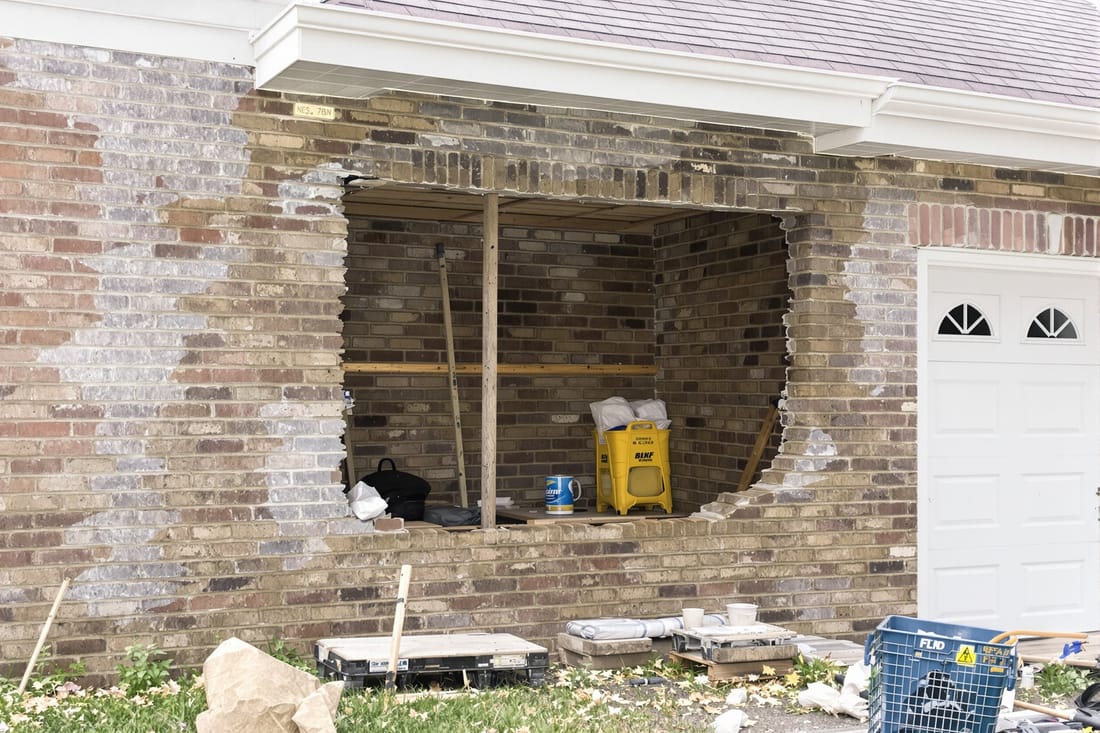
Targeted Masonry Repair for Norfolk Homes and Buildings
Masonry repair is not about smearing mortar over cracks and calling it good. At Superior Masonry Norfolk, we start with a close inspection of your brick, block, stone, and mortar joints to figure out why the damage happened in the first place. Norfolk’s salt air, high humidity, and frequent freeze-thaw cycles are hard on masonry, and we factor all of that into our recommendations.
On a typical visit, we walk the entire structure, note every crack, spalled brick, loose cap, and failing joint, then check for water entry points around flashing, window heads, and chimney crowns. We take pictures, point out each issue on site, and explain what is only cosmetic and what is actually a structural or moisture concern. This step is what keeps you from paying to repair the same spot again in a couple of years.
We handle everything from hairline step cracks in a backyard wall to bulging brick veneers on older homes near Ghent and exposed foundations in flood-prone areas. If we see signs of foundation movement or rotten framing behind the masonry, we tell you plainly and coordinate with structural professionals when needed. Our goal is to give you a repair plan that fits your budget while actually solving the root problem, not just hiding it.
How We Diagnose and Plan Your Masonry Repair
A proper masonry repair starts with testing and evaluation, not with a trowel. During your appointment, Superior Masonry Norfolk checks four key things: structure, moisture, materials, and previous repairs.
For structure, we look at crack patterns. Stair-step cracks along the mortar joints often point to settlement or minor foundation movement. Vertical cracks at corners can indicate differential movement between an addition and the original house. Bulging or bowing walls tell us the wall may have lost its bond to the backup structure, which is a more serious concern.
For moisture, we look for efflorescence (white powdery salts), flaking brick faces, soft mortar, or damp lines in the wall. In Norfolk, wind-driven rain off the Elizabeth River and tidal flooding can push moisture deep into masonry. We pay special attention to low courses of brick, porch piers, and chimney bases where standing water is common.
We also identify what your building was built with. Older Norfolk homes often use softer, lime-rich mortar and hand-made brick. Newer construction tends to use harder, Portland-heavy mortar and more uniform brick. Matching the original material type and hardness is critical. If the repair mortar is harder than the brick, the brick will crack before the joint does.
After the inspection, we explain repair options: spot repointing versus full joint replacement, brick replacement where faces have popped off, re-bonding loose veneer, or rebuilding failed sections. We put this into a clear written scope so you know exactly what is being done and why.
What Masonry Repair and Restoration Actually Involves
Once you approve the scope, our crew sets up access safely and starts with removal. For repointing, we carefully grind or chisel out damaged mortar joints to a proper depth, usually about 2 to 2.5 times the width of the joint. We avoid power tools near fragile or historic brick when hand tools will do less damage.
Next, we clean the joints with compressed air or brushing, then dampen the masonry so it does not suck the water out of the new mortar too fast. Superior Masonry Norfolk mixes mortar to match color, texture, and hardness. For older walls we may use a lime-based mix, for newer work a properly proportioned Type N or Type S, depending on load and exposure.
We pack the joints in lifts, compacting each layer to eliminate voids, then tool the joints to match your existing profile (concave, flush, grapevine, or struck). Matching the original joint profile matters for both looks and water shedding.
If bricks or blocks are cracked through, spalled, or loose, we remove them individually, clean the surrounding area, and set replacement units in fresh mortar. When possible, we source salvage brick from local yards to keep the look consistent with older Norfolk neighborhoods.
For chimneys and exposed parapet walls, masonry restoration can include rebuilding the top courses, replacing rusted anchors, resetting caps, and installing or repairing chimney crowns and flue caps to keep water out. On retaining walls, we may need to add or clear weep holes and improve drainage behind the wall to prevent recurring failure.
The final step is a cleanup and visual check with you present, so you can see each repair area before we pack up.
Norfolk-Specific Issues: Moisture, Salt, and Historic Brick
Norfolk’s environment creates specific masonry problems that generic “one-size” solutions do not address. The combination of coastal salt air, tidal flooding in low-lying areas like Ocean View, and rapid temperature swings can break down masonry faster than in inland cities.
Salt and constant dampness accelerate brick surface flaking and mortar erosion. We often see this near ground level, on waterfront properties, and on chimney crowns. In these cases, a good repair might include not just repointing, but also sealing the top surfaces with breathable, masonry-specific sealers that let moisture escape while reducing new water intrusion.
Freeze-thaw damage is common in porous brick or older lime mortars. Water gets into small cracks, freezes, expands, and pops off brick faces. When we see this, we look upstream to find where the water is getting in, such as missing flashing, failed sealant around windows, or clogged gutters that dump water against walls.
Historic and older houses in areas like Ghent, Larchmont, and parts of downtown often require a different approach. Many of these bricks are softer and more irregular, and the original joints were laid with lime-rich mortar that is designed to be sacrificial. Superior Masonry Norfolk uses compatible materials and gentler removal methods on these homes to avoid damaging the original brick. We do not blast away joints or use extremely hard modern mortars where they do not belong.
We can also coordinate with local historic district guidelines or HOA requirements when visible repairs are on street-facing facades, so you avoid problems with inspections or approvals.
What Affects Cost and Timeline for Masonry Repair
Costs for masonry repair in Norfolk depend on several real-world factors, not just square footage. During your estimate, Superior Masonry Norfolk explains these so you understand where your money is going.
Access is a primary driver. A low garden wall along a driveway is far quicker and cheaper to repair than a third-story chimney that needs staging, roof protection, and safety tie-offs. Tight alleyways in older neighborhoods may require custom scaffold setups, which affects labor time.
The extent and type of damage also matter. Simple repointing of surface-cracked joints is on the lower end of cost. Replacement of many individual bricks, re-bonding loose veneer, or rebuilding a leaning section of wall is more labor intensive and requires more material. Severe bulging or structural issues may require engineered solutions and coordination with other trades.
Matching historic brick and mortar can add cost due to sourcing and test panels. In some cases, we will create a small sample area so you can approve the color and texture before we proceed with the full repair.
Timeline depends on project size, weather, and drying time. Most smaller residential repairs take one to three days. Larger restoration projects on full facades or long walls can run one to two weeks or more. Since masonry work is sensitive to heavy rain and freezing temperatures, we schedule around Norfolk’s weather patterns and may need to tarp or tent work areas to keep things on track.
We provide written estimates that itemize labor, materials, and any additional services like flashing repair or cap replacement so you can compare apples to apples if you are getting multiple bids.
What Norfolk Property Owners Should Ask Before Hiring
Before you hire anyone for masonry repair and restoration, there are a few specific questions that will protect you and your property.
Ask if the contractor is licensed and insured in Virginia and if they carry workers’ compensation for on-site crews. Superior Masonry Norfolk is fully insured and can provide documentation on request. This is especially important when work involves ladders, scaffolding, or roof access.
Ask how they determine what type of mortar to use. If the answer is simply “we use Type S for everything,” that is a red flag. The repair mortar should be compatible with your existing brick and mortar. We identify this during the inspection and explain what we plan to use and why.
Ask to see photos of similar repair work in Norfolk, not just new construction elsewhere. You want to see repointed joints that blend well, properly replaced bricks, and clean detailing around windows, doors, and chimneys.
If you are in a historic district or under an HOA, ask how the contractor handles approvals. We can supply material data sheets, sample photos, and descriptions of methods to help you secure any needed sign-offs before work starts.
Finally, ask about cleanup and protection. Our crews protect adjacent siding, roofing, and landscaping where dust or mortar could fall, and we leave the site broom clean each day. You should not be left with mortar splatter on your windows or plants.